







Search Results for: El Naranjo Estate

Exploring Honduras' Sweet Orange Estate: The Rise of High-Altitude Specialty Coffee and the Secret to Its Frequent Wins at the Cup of Excellence
Honduras has performed impressively on the international coffee stage in recent years, with its export volume now ranking third in Latin America and fifth globally. From early industry lag to today's frequent emergence of specialty coffees, this Central American country has completed a remarkable transformation. Among them, El Naranjo estate, located in the Marcala region, has become one of the representative estates of Honduran specialty coffee thanks to its high altitude of 1,800 meters, the careful cultivation of Catuai and Geisha varieties, and its strong track record of multiple Cup of Excellence (COE) awards. Front Street Coffee takes you on an in-depth look at this estate, named after the orange trees used for shade, exploring its flavor characteristics, management philosophy, and sustainable development practices. [more…]
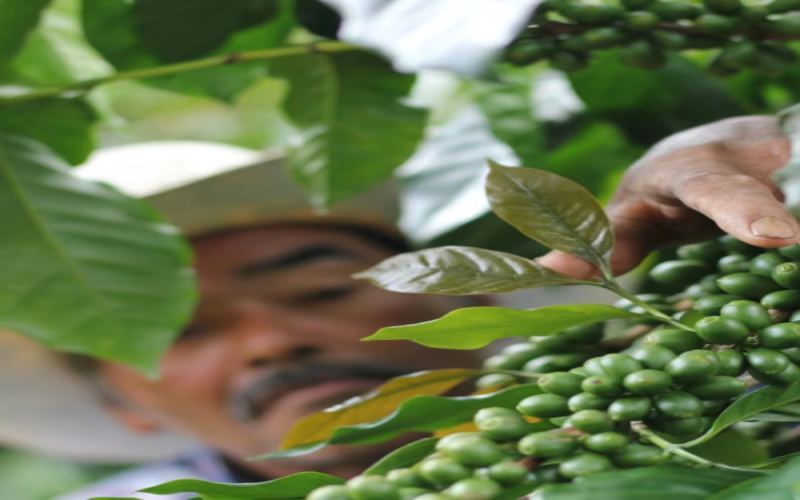
Honduras Sweet Orange Estate Caturra Washed Beans: Flavor Profile, Processing Method, and Brewing Parameters Explained
Honduran coffee is known for its high sweetness and citrus notes, and El Naranjo is one such bean worth savoring. The estate is located in Marcala in the La Paz region, with wild orange trees as shade trees, infusing the coffee with rich floral and fruity aromas. This article focuses on Front Street Coffee's Caturra washed bean, covering the estate background, variety characteristics, washed processing flow, roasting curve, cupping report, and V60 brewing parameters, fully presenting its flavor performance and brewing approach. It is suitable for enthusiasts who want to gain a deeper understanding of Honduran coffee or are looking for an everyday staple bean. [more…]
An Analysis of Honduran Coffee Aroma Characteristics: From COE Champions to Sweet Orange Estate Specialty Beans Overview
As an important coffee-producing country in Central America, Honduras has long been labeled as a source of "average-quality blended coffee," but the inaugural COE competition in 2004 made the world re-examine the terroir potential of this land. From the perspective of Front Street, this article will review Honduras's six major producing regions and distinctive micro-regions, with a focus on specialty coffee beans from Sweet Orange Estate in La Paz Department in the southwest and Mocha Estate in the Marcala region, analyzing the source of their orange aroma and their cupping performance. It also includes Front Street's roasting curve and brewing parameters for washed Caturra, providing coffee enthusiasts with a complete reference from understanding producing regions to hands-on brewing. [more…]
A Complete Guide to Honduran Coffee Regions: Six Major Origins, Grading System, and Flavor Characteristics
Although Honduras entered the coffee industry relatively late, it quickly rose to prominence thanks to its superior geographical conditions and microclimates, becoming the largest coffee producer in Central America and a major global producer of Arabica. This article systematically reviews the historical development, growing environment, and grading standards of Honduran coffee, and provides detailed explanations of six major producing regions: Copán, Opalaca, Montecillos, Comayagua, Agalta, and El Paraíso. It also includes Front Street Coffee's on-location photos, roasting curves, and brewing suggestions, giving you a comprehensive understanding of the unique charm of this rising star of Central American coffee. [more…]
A Complete Guide to Honduras's Six Major Coffee Regions: Flavor Profiles, Grading System, and Origin Stories
Honduras is located in northern Central America. Although its coffee industry started relatively late, it has risen rapidly thanks to its excellent natural conditions and has become an important global producer of Arabica coffee. This article will systematically review Honduras's coffee development history, geographical advantages, and grading system, and introduce one by one the six major producing regions of Copán, Opalaca, Montecillos, Comayagua, Agalta, and El Paraíso. At the same time, it will also present Front Street Coffee's bean selection and brewing practices in Honduras, helping coffee lovers gain a comprehensive understanding of the unique charm of this Central American coffee newcomer. [more…]
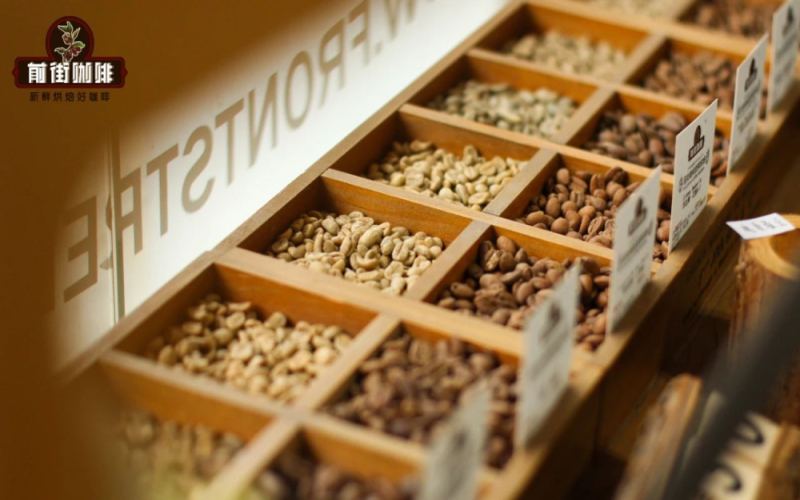
The Past and Present of Honduras Sweet Orange Estate Catuai Coffee Beans and a Pour-Over Flavor Analysis
Honduras, as a Central American coffee producer that has risen to prominence, is known for its coffee's floral and fruity aromas and soft juicy notes, along with exotic spicy hints and a rich, nutty-chocolate finish. This article starts with Honduras's geographical conditions and coffee development history, systematically outlining its altitude classification and defect grading standards, detailing the flavor characteristics of its six major producing regions, and highlighting the Catuai coffee beans from the Sweet Orange Estate in the La Paz region. Front Street Coffee will share this bean's roasting curve, cupping performance, and pour-over parameters, providing coffee enthusiasts with a complete brewing reference. [more…]
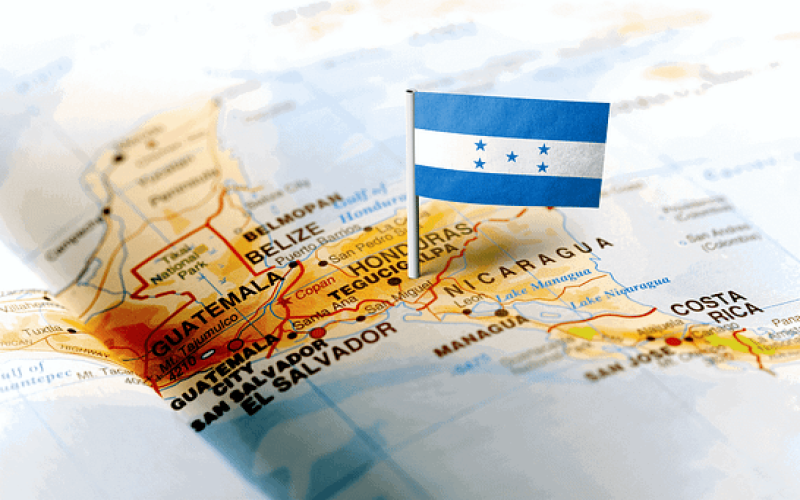
Key Points for Brewing Honduran Pour-Over Coffee and a Detailed Guide to Washed Beans from San Juan and Other Regions
Although Honduras is a latecomer to the Central American coffee industry, it has risen rapidly thanks to its production advantages and distinctive flavors. This article systematically reviews the characteristics of Honduran washed coffee beans, from producing regions and grading to specific brewing parameters. Using several Honduran beans as examples, Front Street Coffee shares a complete practical approach from roasting curves to staged extraction, helping coffee enthusiasts master the key points of pour-over Honduran coffee and presenting its balanced expression of floral and fruity notes with nutty and chocolate tones. [more…]
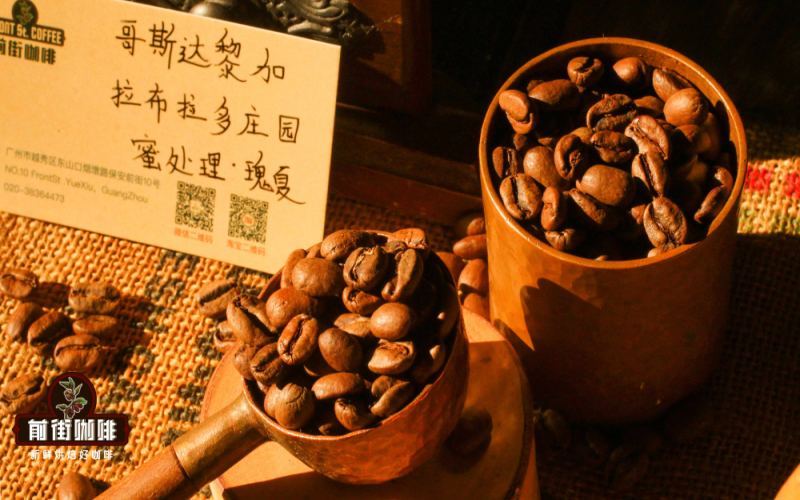
Costa Rica San Isidro Labrador Estate: Honey-Processed Geisha Coffee Bean Flavor and Brewing Analysis
Hacienda San Isidro Labrador is located on the slopes of Santa María de Dota in the Tarrazú region of Costa Rica, at an altitude of about 1,950 meters, with a microclimate featuring distinct dry and rainy seasons. The estate owner, John Monge Naranjo, is a third-generation coffee farmer who once switched careers to land surveying, and after retiring, he returned to the coffee business, now running it together with his son Matías, and in recent years they have achieved repeated success in COE auctions. This time, Front Street Coffee has acquired the estate’s honey-processed Geisha, with flavors of cherry, orange, yellow peach, floral notes, and oolong tea. The article will introduce the estate’s background, processing method, and cupping performance, and share Front Street Coffee’s medium-light roast recommendation and Hario v60 three-pour brewing parameters, letting you experience this bean’s juicy mouthfeel and elegant floral aroma. [more…]
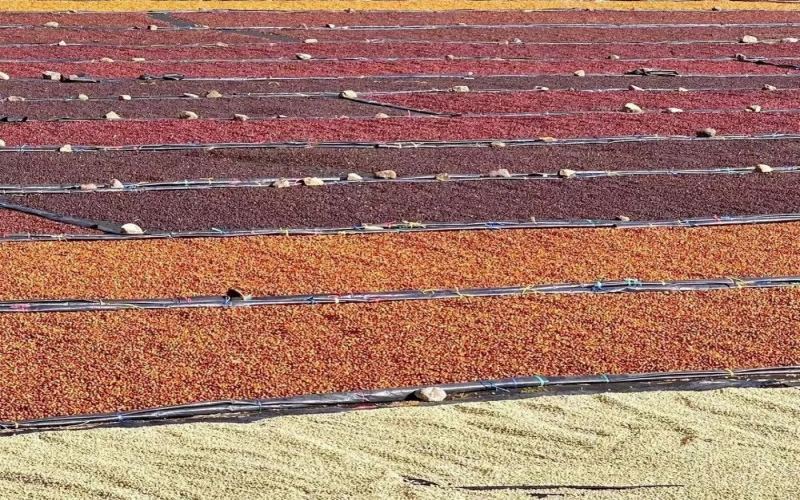
What are the representative estates in Costa Rica's Tarrazú region? An analysis of Hacienda Cedral's characteristics and honey processing method
Costa Rica was the first country in Central America to cultivate coffee for commercial value. Its high-altitude mountains, volcanic soil, and abundant rainfall have nurtured many well-known producing regions and estates. Among them, Tarrazu is the country's largest and most renowned coffee-producing region, and in 2019 it even obtained origin certification from the EU and WIPO under the name "Café de Tarrazú." This article will focus on El Cedro estate in the Tarrazu region, introducing its family background, microclimate environment, Geisha cultivation, and its multiple championship performances at the Cup of Excellence (COE), while also outlining the origins and craft evolution of honey processing in Costa Rica, and mentioning the Tarrazu entry-level selection in Front Street Coffee's everyday beans series. [more…]
Honduras Coffee Regions, Grading, and Flavor Characteristics: Front Street Coffee's Selection of Sweet Orange Estate and Washed Caturra Introduction
Honduras, as an important coffee-producing country in Central America, was long classified as a "medium-quality blended coffee," but since hosting its first COE competition in 2004, its high-quality potential has gradually been recognized by the world. This article reviews Honduras's six major producing regions and emerging micro-regions, with a focus on two beans offered by Front Street Coffee—Sweet Orange Estate and Washed Caturra—covering origin information, cupping flavors, roasting curves, and brewing parameters, giving you a comprehensive understanding of this Central American producing country's coffee strength and unique charm. [more…]
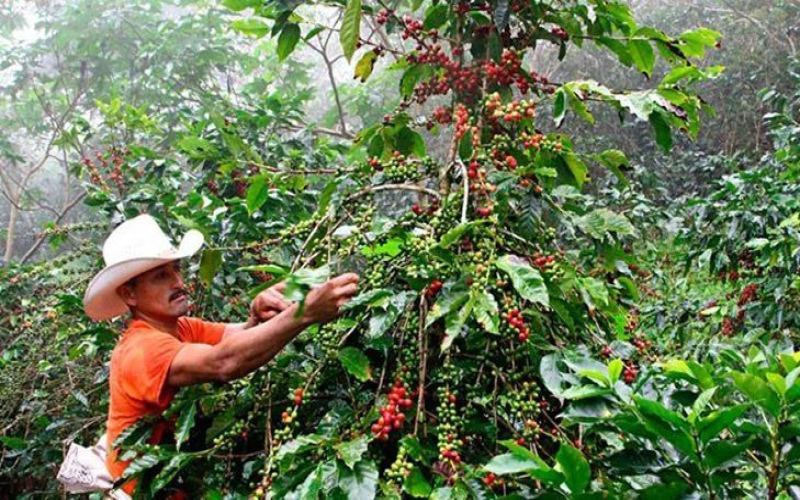
The Rise of the Honduran Coffee Industry and a Complete Guide to Front Street Honduran Coffee Beans: Pour-Over Parameters, Water Temperature, and Ratios
Honduras is an important coffee-producing country in Central America. Although it started late, it caught up quickly: by 2011 its output had surpassed Guatemala's, and today it ranks firmly among the world's top ten coffee producers. This article will provide a comprehensive overview of Honduran coffee from the perspectives of its historical development, producing regions, variety characteristics, grading standards, and processing methods. It will also combine the practical brewing experience of several Honduran coffee beans from Front Street Coffee to share pour-over parameters and water-temperature ratios in detail. Whether you want to understand the regional flavors of Honduran coffee or are looking for practical pour-over solutions, this article can provide valuable reference. [more…]
Flavor Analysis and Brewing Performance of Costa Rica Orange County Hernansoris Single Villa Sarchi Coffee
The Orange County region in Costa Rica's Western Valley has long been renowned for its delicate flavors, and the micro-lots produced by the Elsa processing plant are among the finest. This article focuses on the single variety Villa Sarchi cultivated at the Hernán Solís farm, a variety originating from a natural mutation of ancient Bourbon that has long adapted to the high-altitude climate of Orange County. The farm is located in the Llano Bonito area at an altitude of 1,600 to 1,700 meters, and together with the rigorous post-processing procedures of the Elsa washing plant, it has produced a coffee that combines bright acidity, a solid body, and excellent balance. From dry and wet aromas to cupping performance at different roast levels, and then to Front Street Coffee's recommendation, this article will provide a complete analysis of this bean's flavor profile and multifaceted character. [more…]
Costa Rican Coffee Flavors and Analysis of Seven Major Regions: Tarrazu, Tres Rios, and Central Valley Characteristics
Costa Rican coffee has always been known for its balanced and mild character, and Front Street Coffee's Costa Rican coffee showcases this classic style: the harmonious blend of acidity, sweetness, and chocolate-like bitterness, with a smooth mouthfeel and little sharpness. The country has seven major coffee-producing regions, among which the Central Valley, Tarrazú, and Tres Ríos are the most well-known. In the 2007 Cup of Excellence competition, Cerro Bado from Tarrazú took first place, while Naranjo in the Central Valley swept second through fourth places. La Minita Estate in Tarrazú is known for its strict management, producing a million pounds a year yet selecting only 290,000 pounds as specialty coffee. In the Tres Ríos region, production has dropped sharply due to urban expansion, but Aquiares Estate has persevered to this day, with a bright and smooth flavor. This article will introduce in detail the characteristics of each producing region and their representative estates. [more…]
An Analysis of Honduran Coffee Regions and Flavors: From the Caballero Family to Six Major Growing Areas
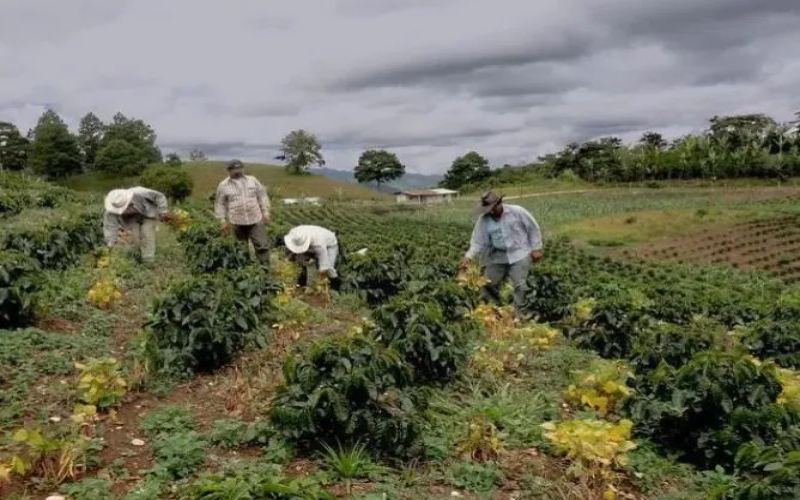
Honduras has risen to become the largest coffee producer in Central America thanks to its complex terrain and diverse climate, while continually refining its quality. This article will guide you through an overview of Honduran coffee, its main growing regions, and how the most iconic Caballero family has driven the development of specialty coffee. We will also take a deep dive into the terroir characteristics of the Montecillos region, analyzing its bright acidity and fruity sweetness, and include Front Street Coffee's origin recommendations. [more…]
A Complete Analysis of the Flavor Characteristics and Pour-Over Parameters of Costa Rica Sumava Estate Black Honey Coffee Beans
The Black Honey processed Caturra from Costa Rica's Sumava Estate, grown in high-altitude volcanic soil in the Western Valley, presents a complex cup profile of brown sugar, floral notes, citrus, and sweet spices, with a sweet, round mouthfeel. This article systematically examines the flavor origins and brewing key points of this bean, from the producing region's background, the estate's story, the characteristics of the Catuai variety, and the classification of honey processing, to pour-over extraction parameters. It also includes Front Street Coffee's brewing recommendations and purchasing references to help coffee enthusiasts fully understand the charm of Black Honey processed coffee. [more…]
Costa Rica · Western Valley: A Representative of Ecological Specialty
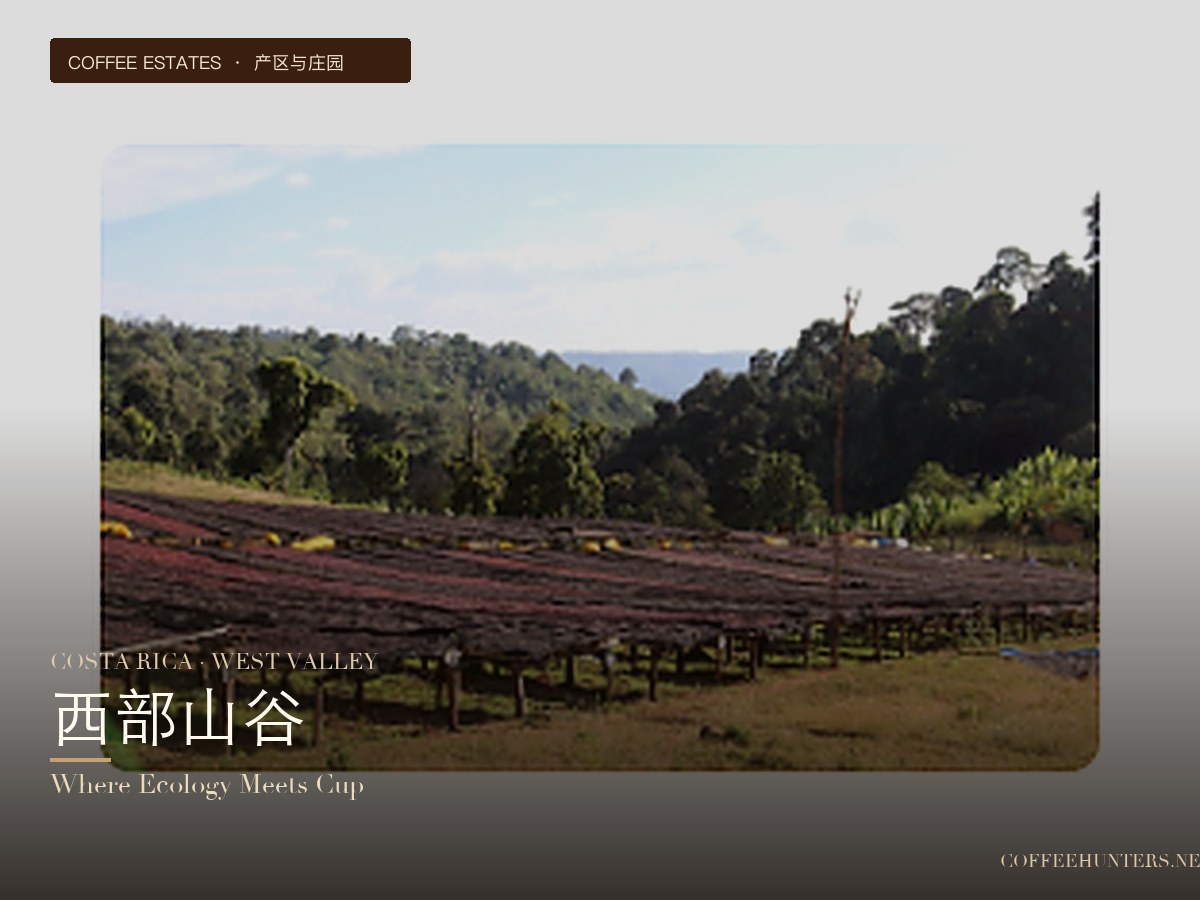
The Western Valley is one of Costa Rica's four major specialty coffee regions, known for its eco-friendly growing philosophy and diverse processing methods. This article introduces the characteristics and signature flavors of this region. [more…]
Exploring the Flavor Characteristics and Origins of Panama's Green Tip Geisha: From Hacienda La Esmeralda to a Specialty Coffee Legend
Panama, this narrow isthmus connecting North and South America, with its unique microclimates and volcanic soil, has given birth to the world-famous Geisha coffee. From the introduction of Typica in 1780 to Hacienda La Esmeralda's stunning breakthrough in 2004, how did Geisha rise from a windbreak hedge to the pinnacle of fame? What is the difference between green-tip and bronze-tip? This article takes you through the historical trajectory of Panama Geisha, decoding the terroir secrets of core producing regions such as Boquete and Volcán Barú, and reviewing the cultivation characteristics and grading systems of renowned estates like Hacienda La Esmeralda, Elida, and Hartmann, offering a comprehensive presentation of Geisha coffee's legendary charm. [more…]
An In-Depth Analysis of Costa Rica's Sumava Estate Black Honey Process Caturra Coffee and a Discussion of Its Nutty, Sweet Aroma
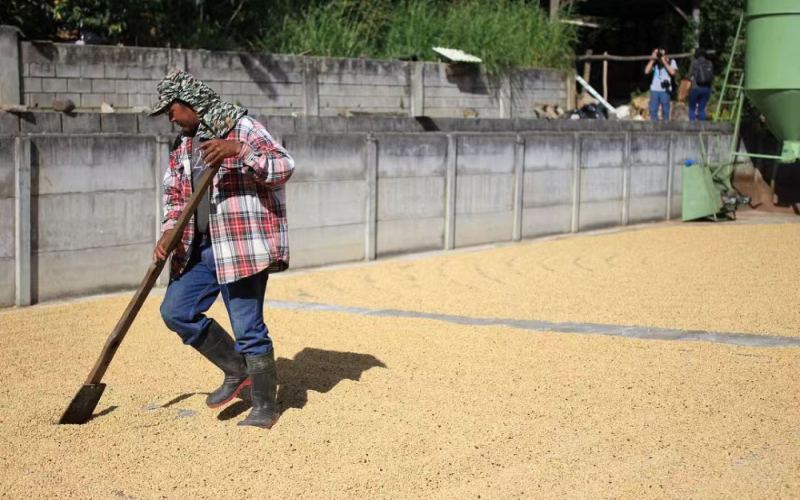
Costa Rica, with its microclimates and high-altitude volcanic soil, produces specialty coffee with rich layers of flavor. Hacienda Sumava in the Western Valley, through its black honey process and Caturra variety, presents notes of brown sugar, floral aromas, and a sweet, syrupy mouthfeel. This article provides a complete analysis of this bean's flavor code—from the growing region's background, the principles of honey processing, and green bean analysis to Front Street Coffee's roasting and brewing recommendations—and explores the allure of coffee with nutty notes. [more…]

Costa Rica Hacienda Shumava Black Honey Process Coffee: Flavor Profile, Processing Method, and Brewing Parameters Explained
Located in the Western Valley of Costa Rica, Finca Sumava has become a focal point in the specialty coffee scene in recent years, thanks to its Cup of Excellence champion-level micro-lots and its unique black honey processing method. Estate owner Francisco Mena employs a sweet-juice honey processing technique, allowing the Caturra variety to express rich layers of black sugar, floral notes, citrus, and sweet spices amid volcanic soil and high-altitude temperature swings. Front Street Coffee's Costa Rica Finca Sumava Caturra Black Honey Process offers a prominent sweetness on entry, soft fruit acidity, and a lingering finish, making it ideal for pour-over enthusiasts exploring the ultimate sweetness of honey processing. This article provides a complete analysis of this bean's flavor code, from the producing region's background, the estate's story, and the principles of the processing method to green bean analysis, roasting curves, and brewing recommendations. [more…]
Costa Rica Las Lajas Estate Specialty Coffee: An Analysis of Origin Terroir, Processing Methods, and History and Culture
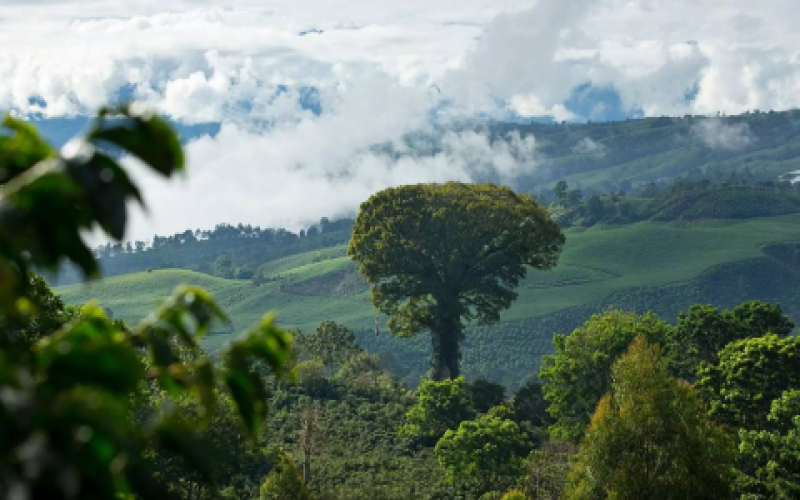
Although Costa Rica is not a large country in terms of land area, it occupies an important position in the global specialty coffee landscape thanks to producing regions such as the Central Valley, the Western Valley, and Tarrazu. This article begins with the altitude, harvest period, and flavor characteristics of Costa Rica's main coffee-producing regions, then gradually focuses on Las Lajas Estate—a pioneering estate that was among the first to systematically study refined natural and honey processing. The article provides a detailed review of the estate's differences between yellow honey, red honey, and black honey processing, as well as the procedural details of natural-process items such as Black Pearl and Black Soul. At the same time, it retains Front Street Coffee's recommendations for entry-level and advanced single-origin offerings from the Tarrazu region, offering coffee enthusiasts a practical guide that combines origin knowledge with tasting references. [more…]